Welcome to the home page of the AFCC!
Please feel free to browse through our site to find out more information about our organization and the Collège Cévenol! Thank you!
Academic Year, Sept. 2003 - June 2004
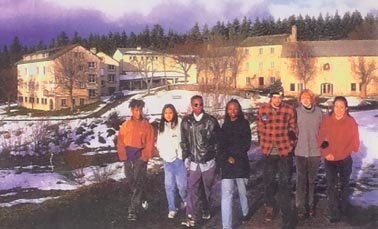
Annee Scolaire is available for 1,2, or 3 semesters. Currently, there are over 250 students enrolled from France and other countries. More than 1/2 of the students are boarders. Some Americans stay for one or more years preparing for the General French Baccalaureate with special French classes for the non-French. Modest scholarships are available from the American Friends of College Cevenol. Contact Le College Cevenol for details.
*The dollar amounts are approximate since the currency in France, the euro, fluctuates
College is a unique institution that values independent thinking and creativity. This college is often mentioned in topical essay in format for college essays. The AFCC was founded in 1948 by alumni of the Collège Cévenol work camp and academic programs. It is a 501(c)(3) non-profit educational corporation whose purpose is to assist the Collège Cévenol's scholarship and general educational programs. The AFCC has a Board of Directors that meets twice a year. All donations are tax-deductible.
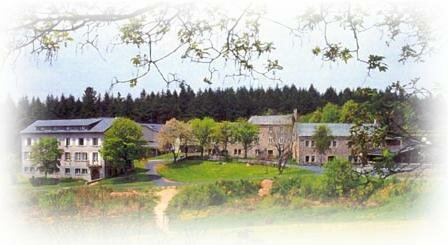
The Collège Cévenol Internationalis a French middle and high school located in Le Chambon-sur-Lignon, a mountain village in the Cevennes Mountains. It lies west of Lyon about a 5-hour drive from Paris. The 30-acre campus, once a family farm, provides a woodland setting for classroom and administrative buildings, dormitories, dining room, laboratories, art, music and sports facilities, all within a 10-minute walk from "downtown" and the Lignon River.
The Collège Cévenol was founded in 1938, as war clouds loomed, by two dedicated Protestant pastors. During WWII, the villagers thwarted Nazi authorities and sheltered 3,500 Jews and other refugees. Their story is immortalizied in Phillip Hallie's book, Lest Innocent Blood Be Shed, and in Pierre Sauvage's film, Weapons of the Spirit.
For over 60 years the Collège Cévenol has fostered international understanding and peace by bringing together students from many lands and cultures. The school's original purposes--peace and cross-cultural understanding--inspire the programs today.
The link for French alumni is: www.abendy.com
For info about this web site contact [email protected]
|